A brief history
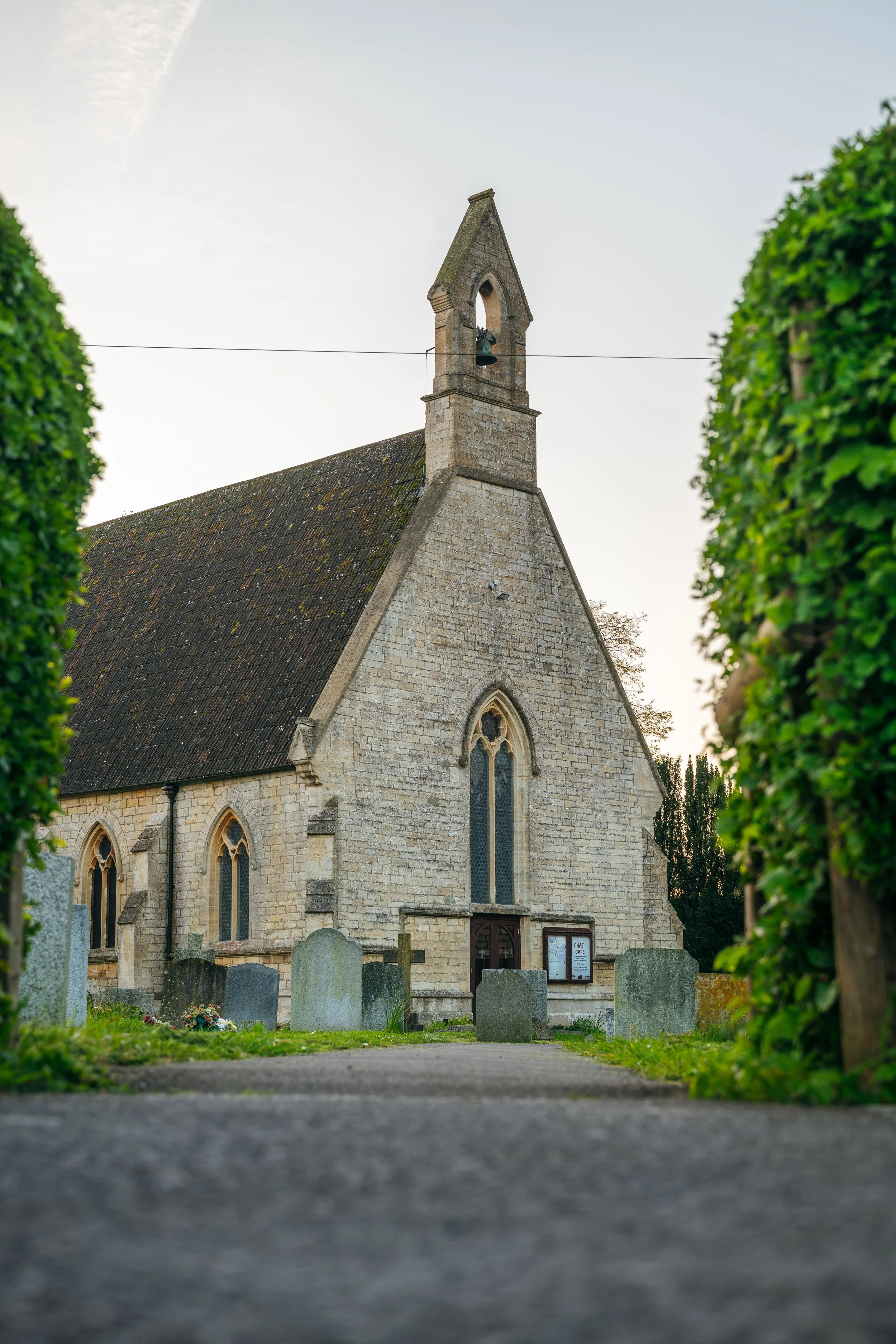
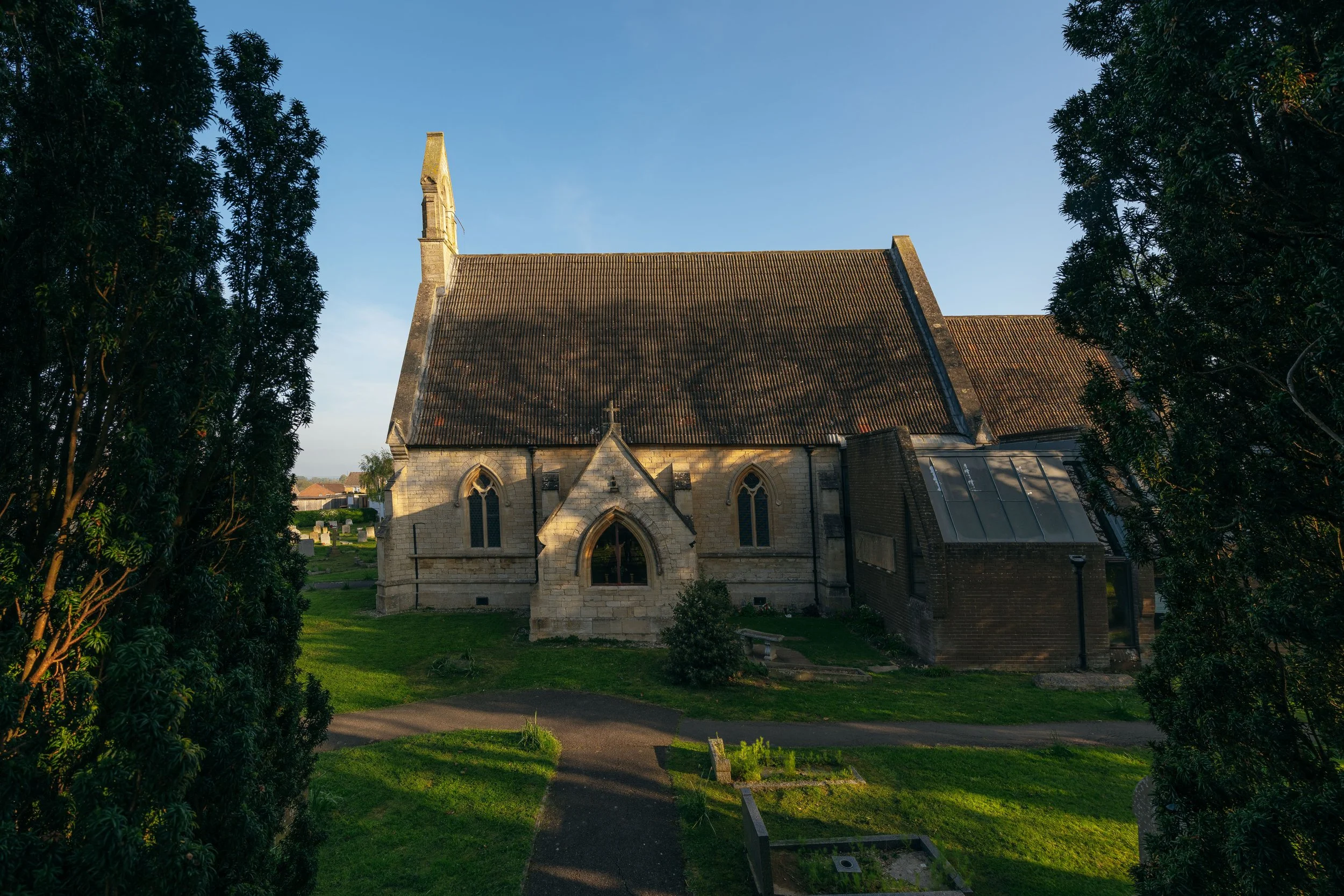
If you stand outside St John’s today, it’s hard to imagine the landscape that first gave rise to the church. In the early 1850s, Studley was a small rural hamlet on the edge of Trowbridge — a scattering of cottages, farms, and workshops set among open fields. The people who lived here were part of the parish of Holy Trinity, but the walk into town for worship was long, muddy, and often impractical. The community needed a spiritual home of its own.
Out of that need, St John the Evangelist was born.
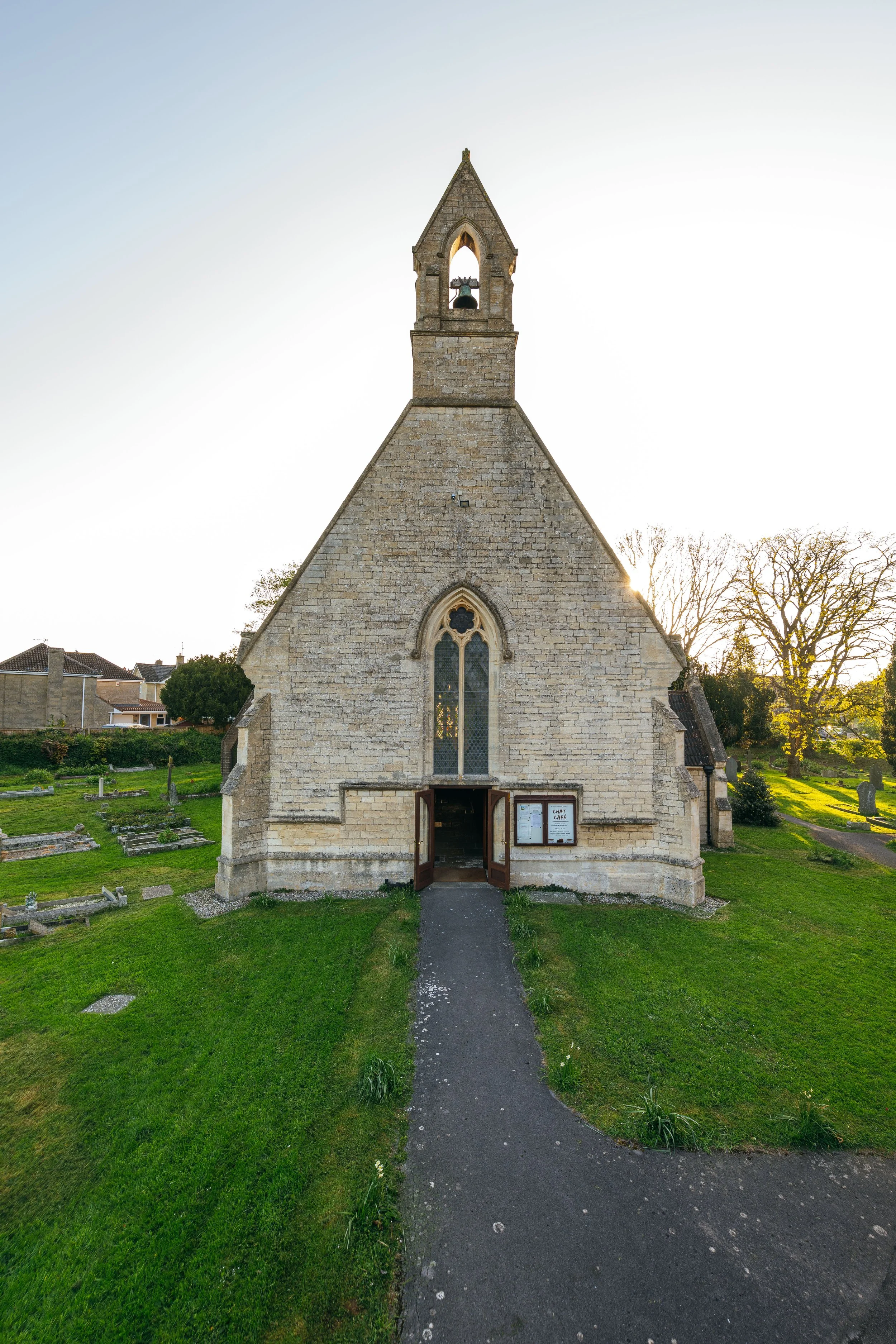
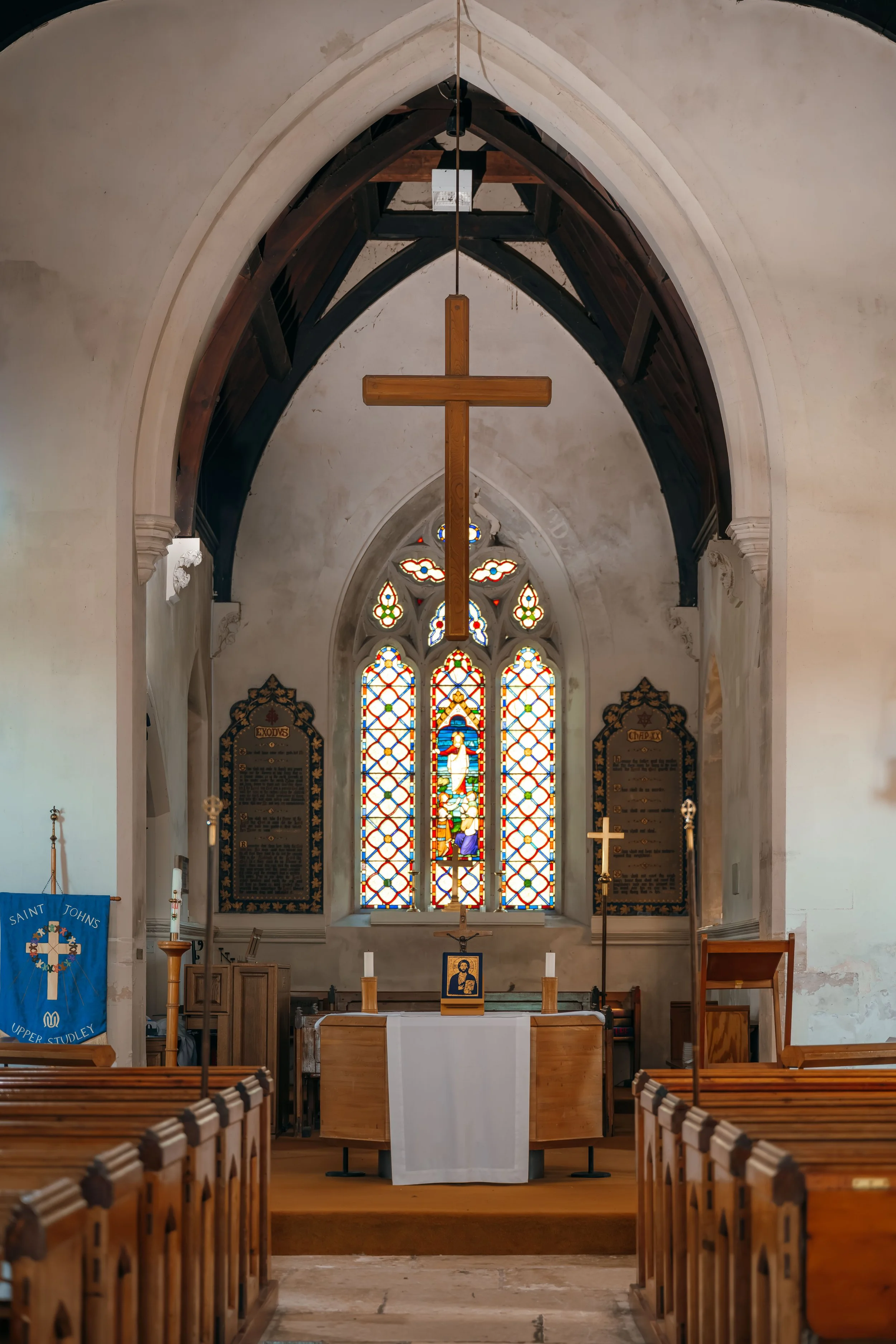
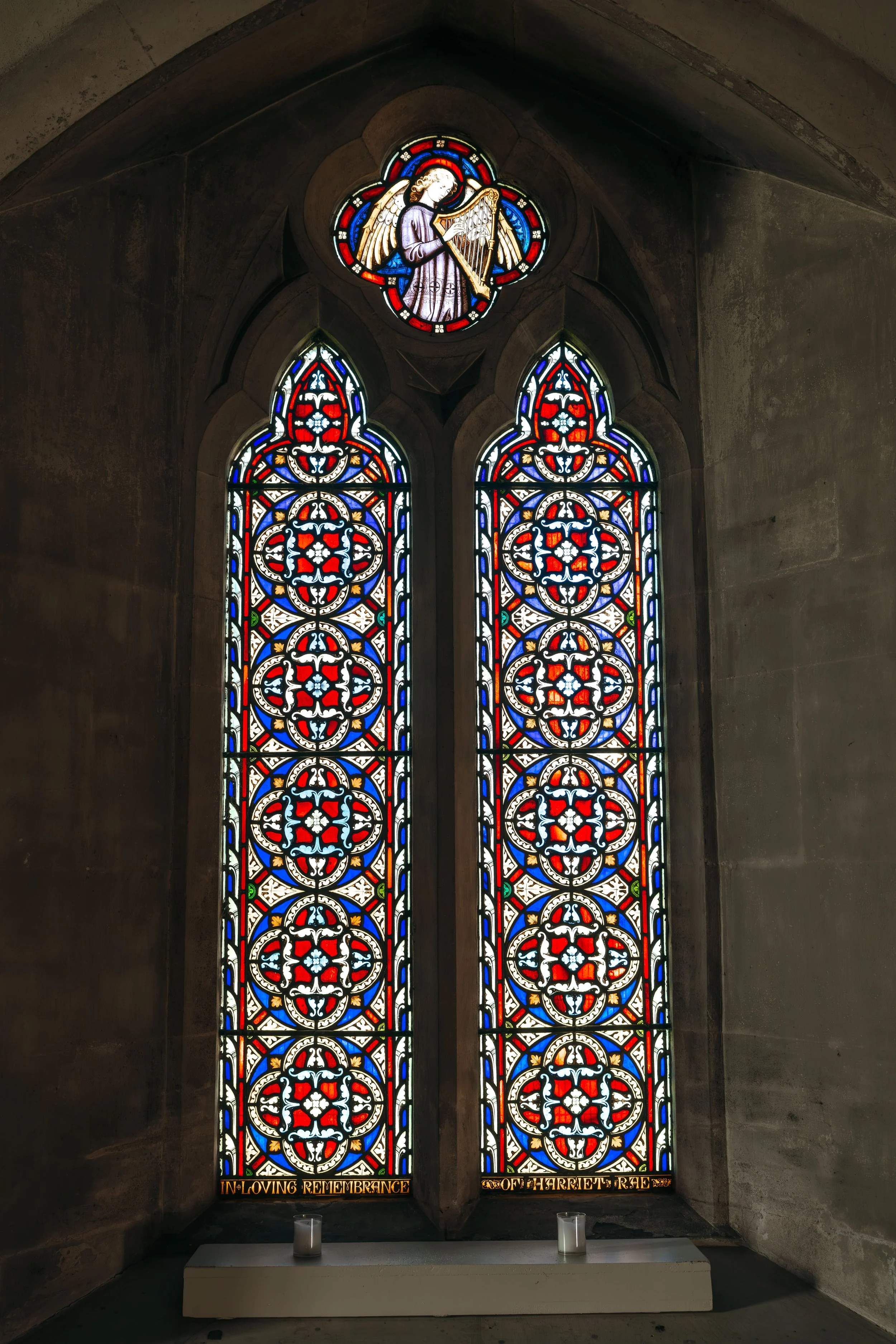
In 1852, a young local architect, W. H. Wilkins, was commissioned to design a new church for Studley. It was his first building, and he poured himself into it. The project was made possible by the generosity of an anonymous benefactor — almost certainly Miss Waldron of Westcroft, a woman known for her quiet philanthropy. Her gift allowed the church to rise quickly, and by September 1854, St John’s was complete and ready to be dedicated.
The church didn’t stand alone for long. A schoolroom was added in 1856–57, giving local children a place to learn, and by 1859 a vicarage had been built. In 1858, the new ecclesiastical parish of Studley was officially created, marking the moment when this once‑scattered hamlet became a community with its own spiritual centre.
For decades, the church school was a lively hub of village life. Children came and went through its doors until 1900, when the school closed and pupils transferred to the church‑run school in Southwick. Meanwhile, Trowbridge continued to grow. Fields were built over, roads expanded, and eventually the town and Studley met in the middle. What had once been a rural outpost became part of the town’s western edge — but St John’s remained a place where people gathered, prayed, and marked the milestones of life.
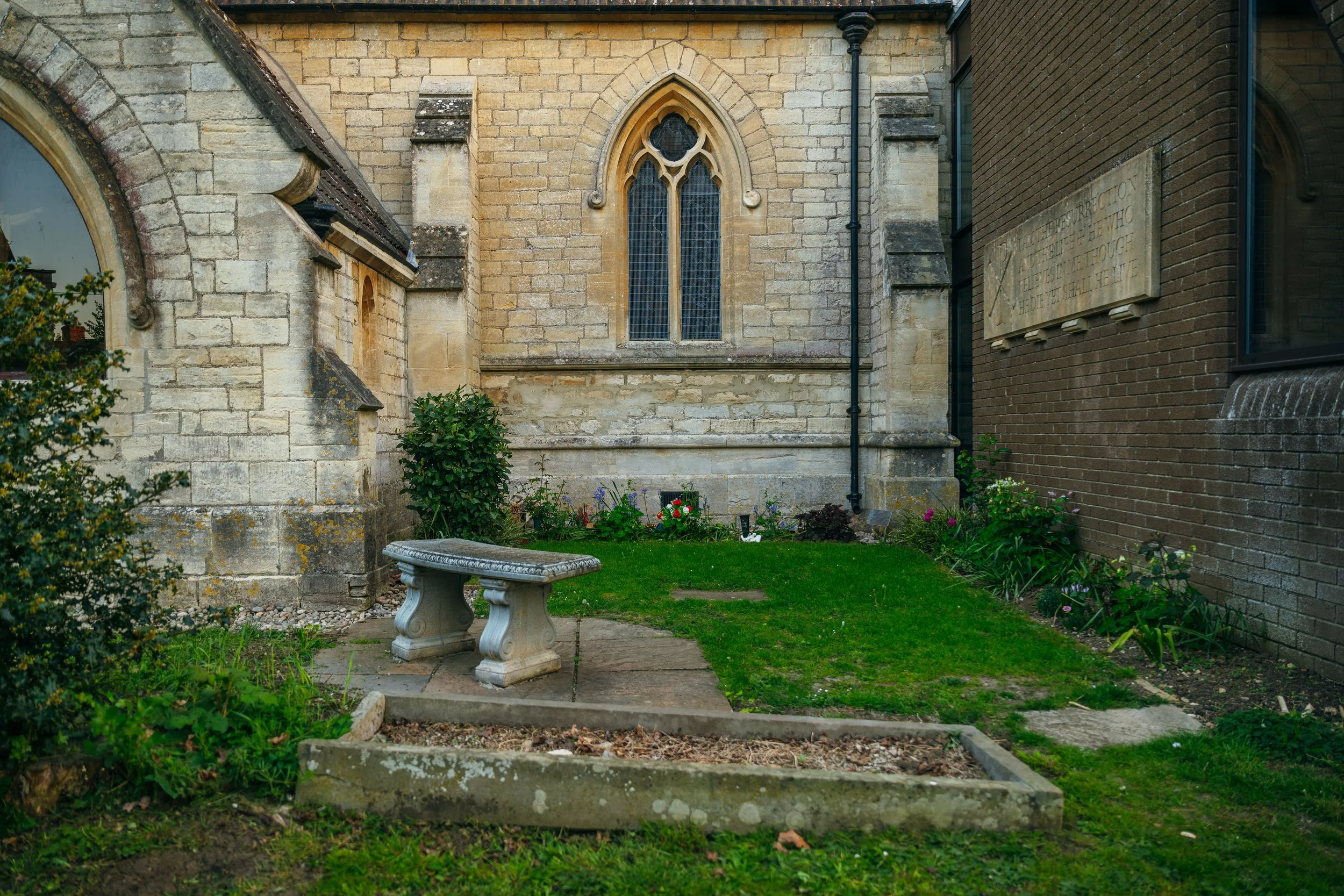
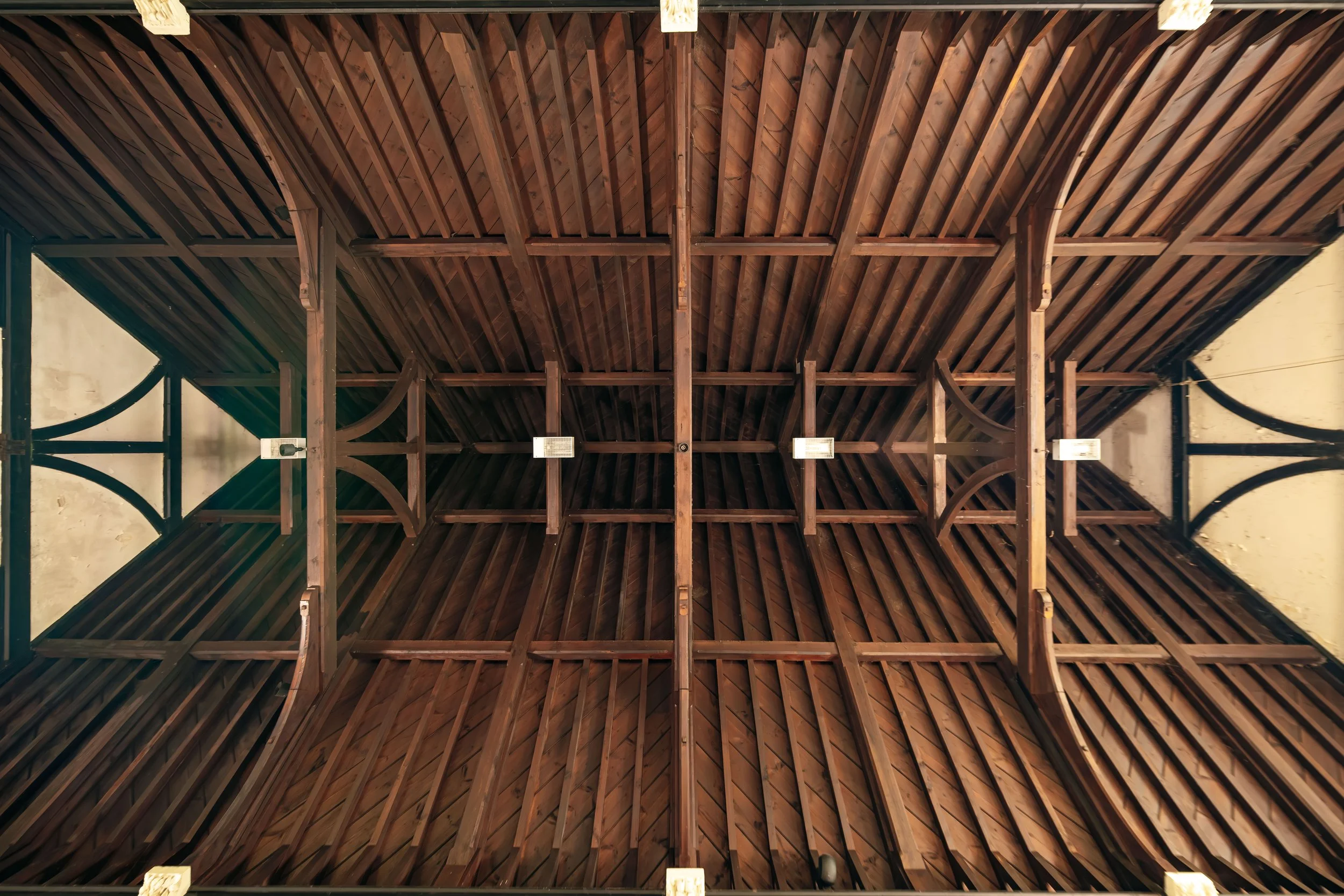
A new chapter opened in the late 1970s. The old schoolroom, no longer needed, was sold for housing, and the proceeds funded a bold extension to the church. The addition of modern north and south transepts changed the shape of the building dramatically. It caused a bit of a stir at the time — as church alterations often do — but it also breathed new life into the space. The renewed church was rededicated on 22 September 1979, and the church hall was extended soon after.
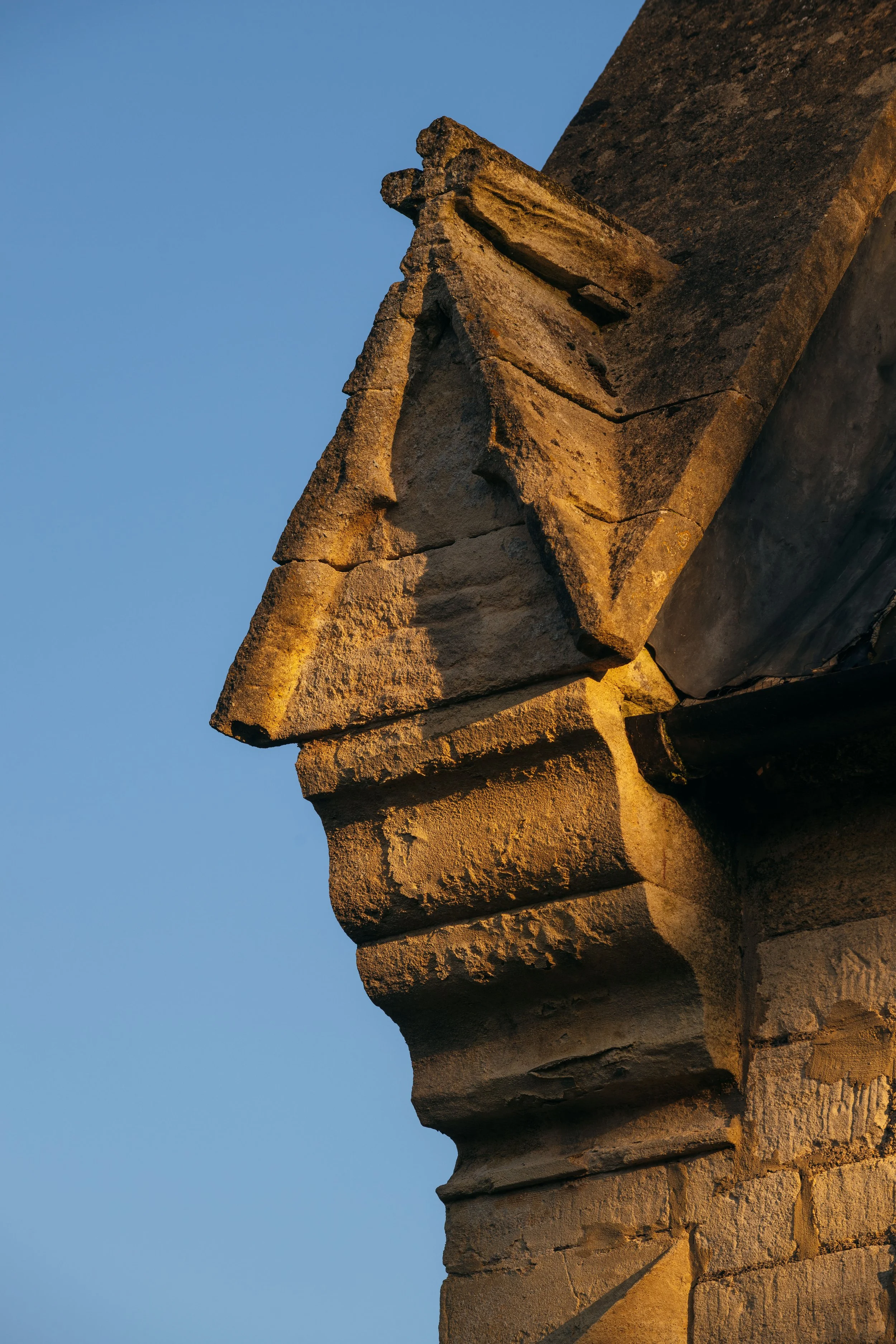
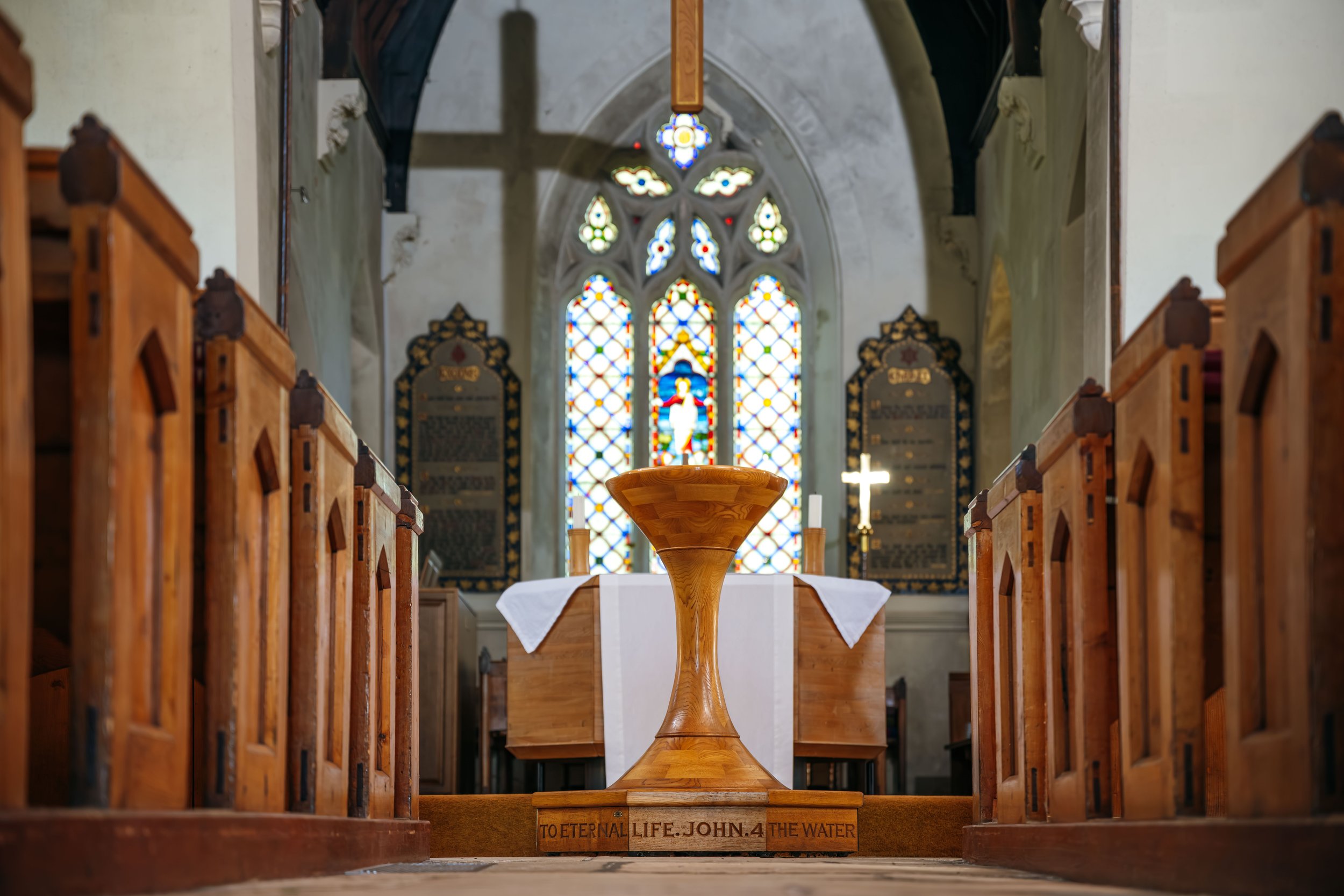
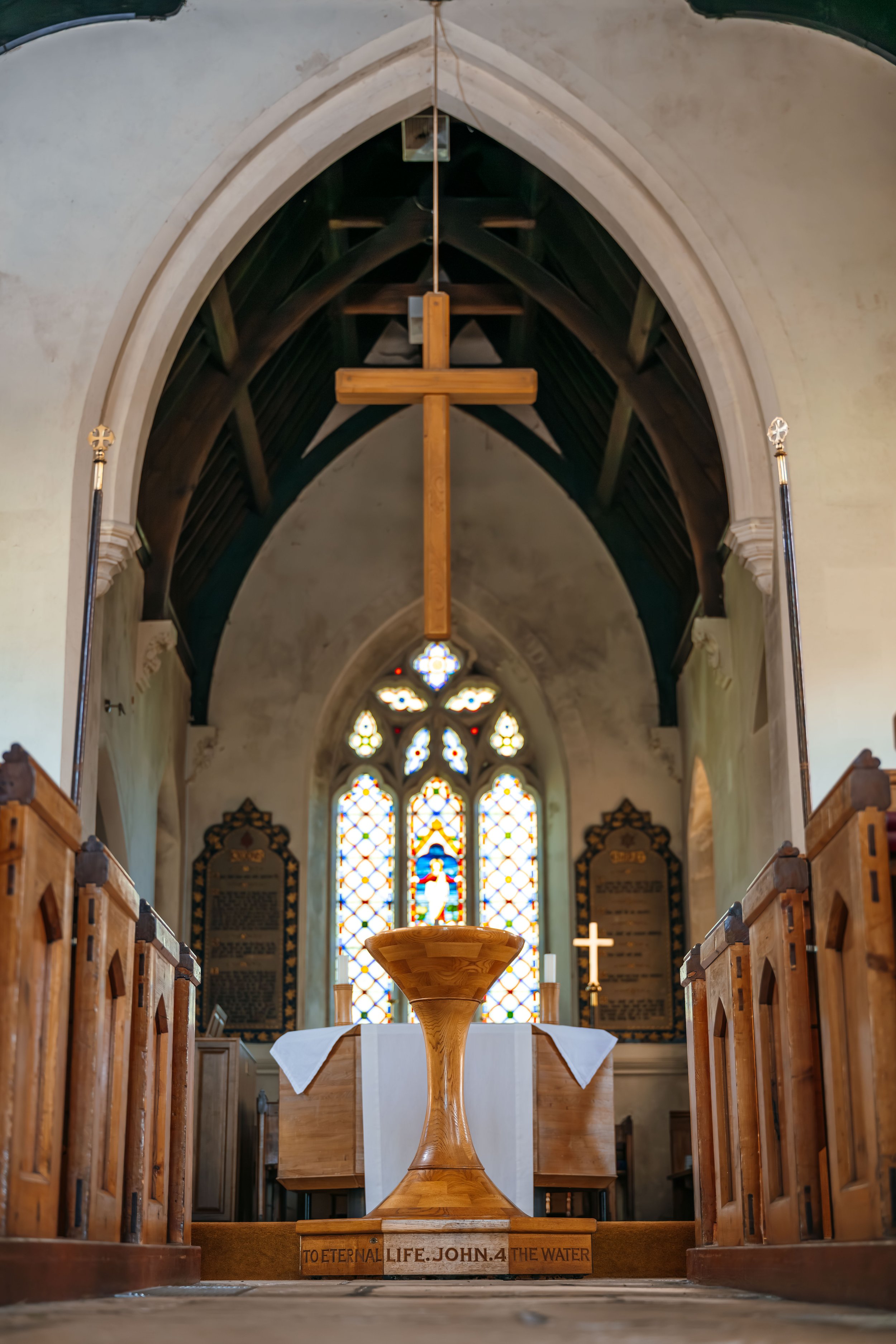
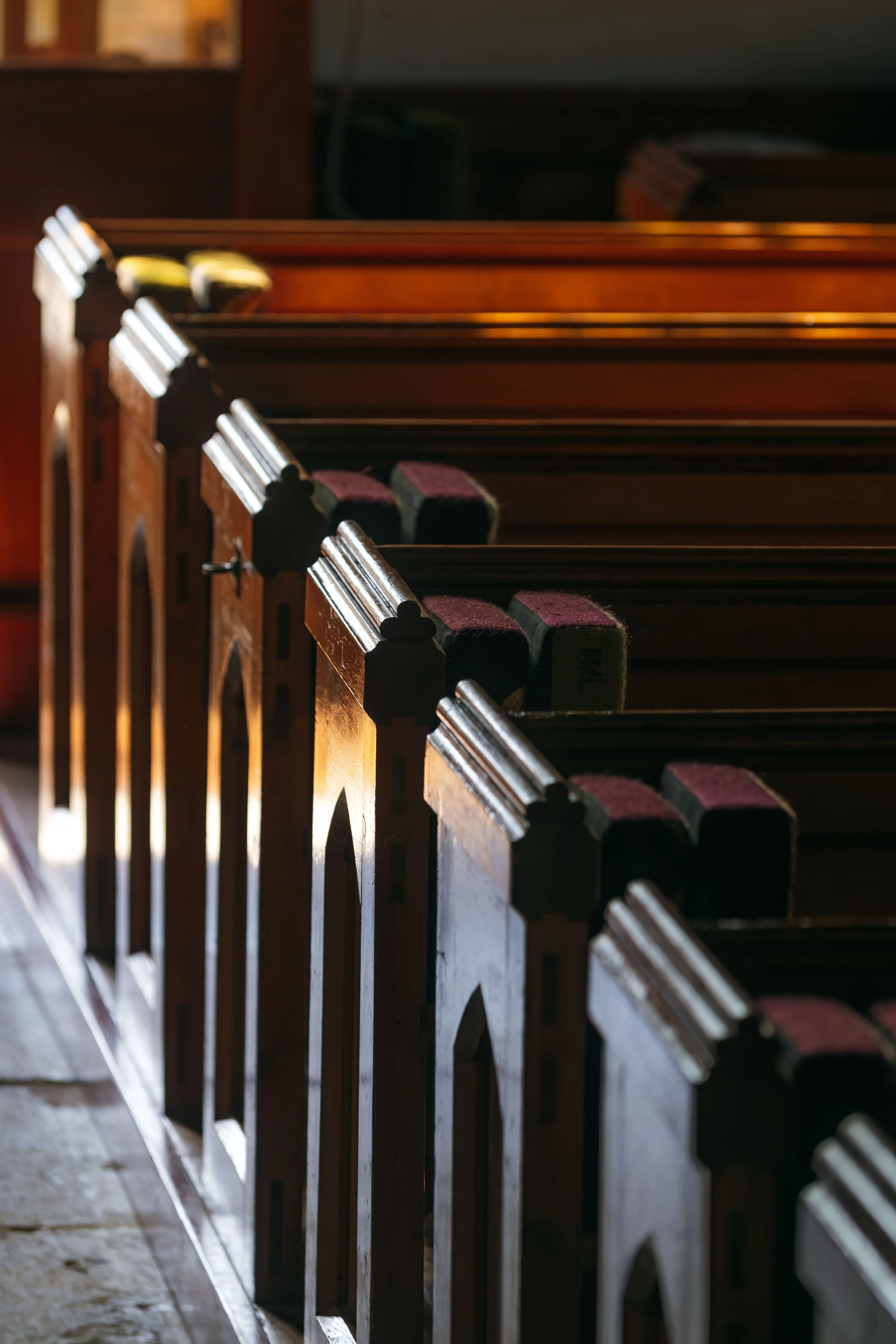
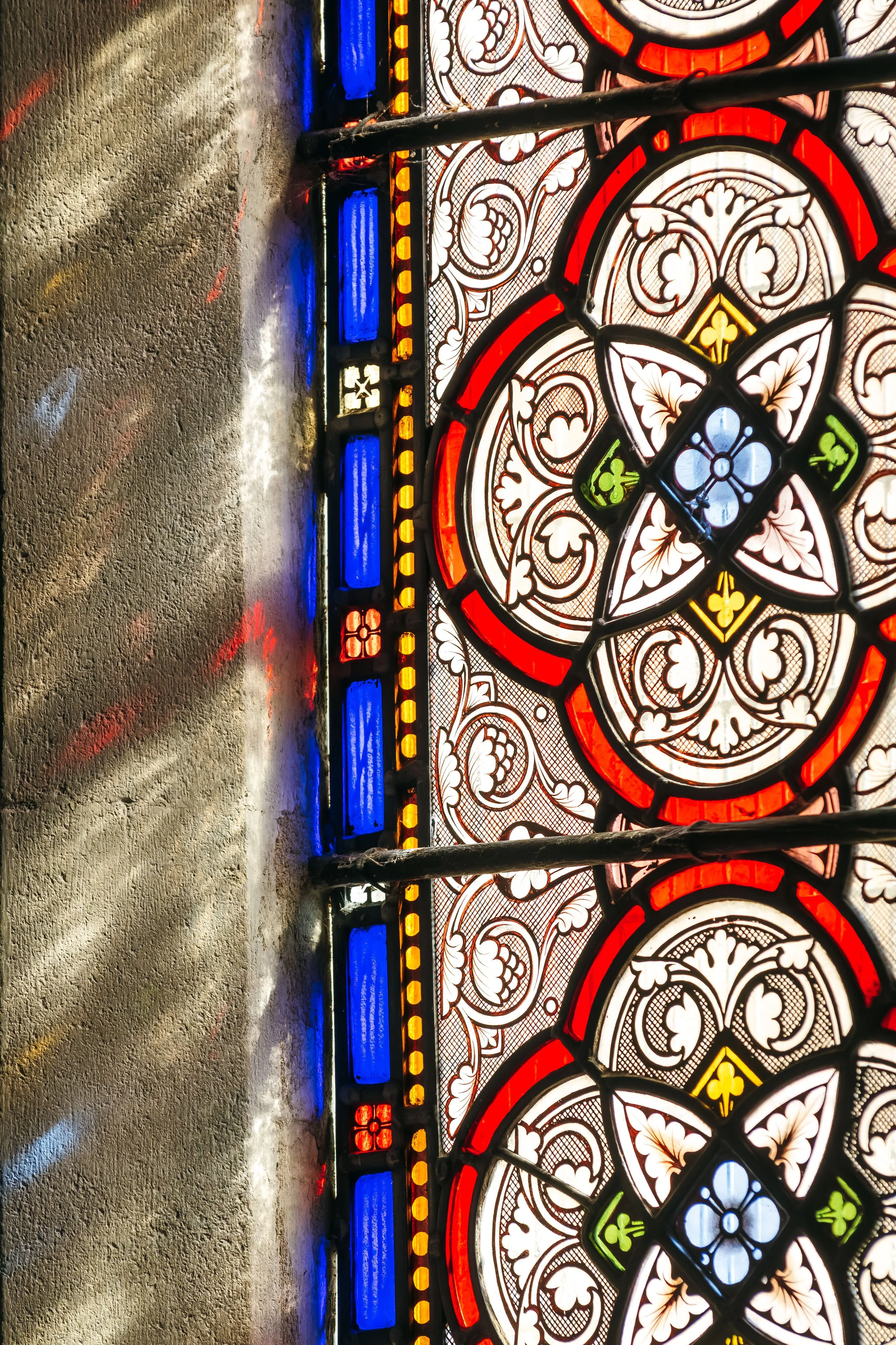
Today, St John’s stands as a blend of old and new: Victorian stonework alongside 20th‑century vision, a church shaped by the needs of its people across more than 170 years. It remains what it was always meant to be — a place of welcome, worship, and community for Studley and beyond.